

Renewable by nature
Holmen’s paper and paperboard are made from fresh fibres sourced from certified, sustainably managed forests. Every part of the tree is used efficiently: timber becomes construction wood, while branches and tops are turned into pulp and bioenergy, ensuring nothing goes to waste.
Our forests are powerful carbon sinks. A tonne of Holmen paper binds around 1,500 kg of CO₂, and each fibre can be reused up to seven times before returning to nature or being used for energy.
Circular and low impact
Paper and paperboard are among the most recycled materials in the world. Designed for circularity, Holmen’s products are recyclable, biodegradable, and produced with minimal environmental impact. Even after multiple recycling loops, fibres can be used for bioenergy, closing the loop.
Our mills run on fossil-free electricity and recover thermal energy throughout the production process. As a result, Holmen’s paper has one of the lowest carbon footprints in Europe, as little as 2–20 kg CO₂ per tonne.
Future-ready materials
Holmen’s lightweight containerboard and premium paperboards are designed for the future, fully aligned with the EU’s Packaging and Packaging Waste Regulation (PPWR), which requires all packaging to be recyclable or reusable by 2030.
By reducing packaging volume and raw material use without compromising performance, Holmen materials support both regulatory goals and brand sustainability targets.
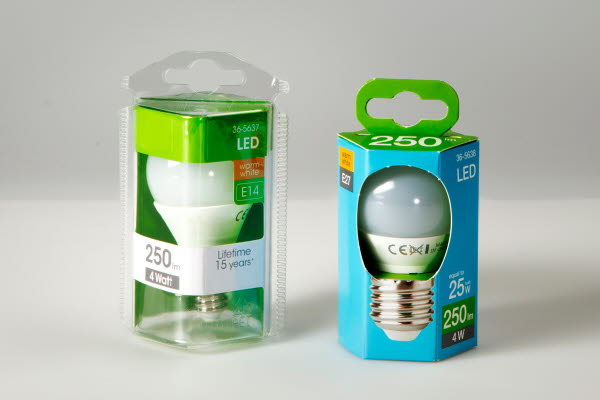
Replacing plastic with paperboard
Switching from plastic to paperboard can almost eliminate the packaging’s carbon footprint. Renewable and recyclable, paperboard provides a credible alternative to plastic in many applications, especially where recyclability and climate impact matter most.
While paperboard is helping replace plastic in packaging, paper also plays a vital role in shaping a more sustainable, circular future.
Paper’s climate potential
Fresh-fibre paper has a critical role in the future of sustainable publishing and packaging. A comparative climate study found that paper produced using fossil-free energy, like at Holmen’s paper products, can have a significantly lower carbon footprint than recycled alternatives.
The study considered biogenic emissions, air and water impacts, and waste to landfill, showing that the full environmental footprint depends on how and where paper is made.
By choosing paper and paperboard, you’re not only reducing emissions, you’re supporting a circular, bio-based economy where materials grow back and waste becomes a resource.